
TECHNIQUES OF HAPKIDO
Hapkido is one of the most comprehensive and strategic martial arts to emerge from modern Korea. Unlike combat sports designed for a ring, Hapkido is a traditional discipline focused on complete self-defense, mental fortitude, and the efficient neutralization of aggression.
As a discipline standardized by the Korea Hapkido Federation (KHF), it represents a seamless blend of soft and hard techniques, preserving the authentic traditions of the Korean martial heritage while offering practical solutions for modern defense.
Hand Strikes and Kicks
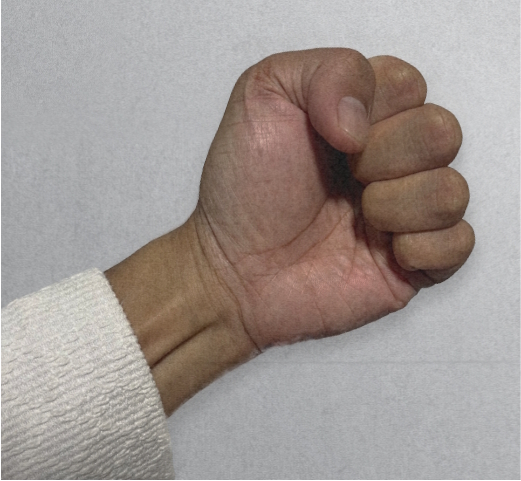
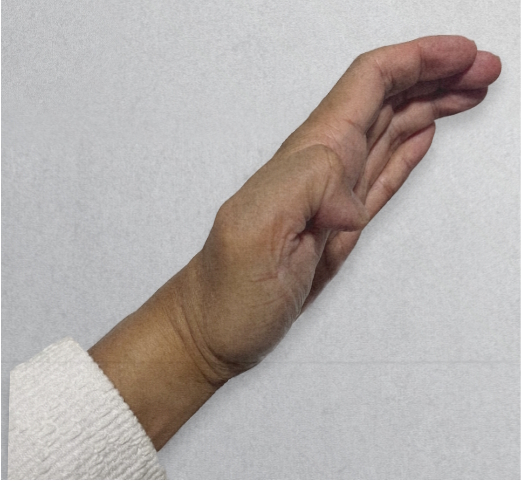
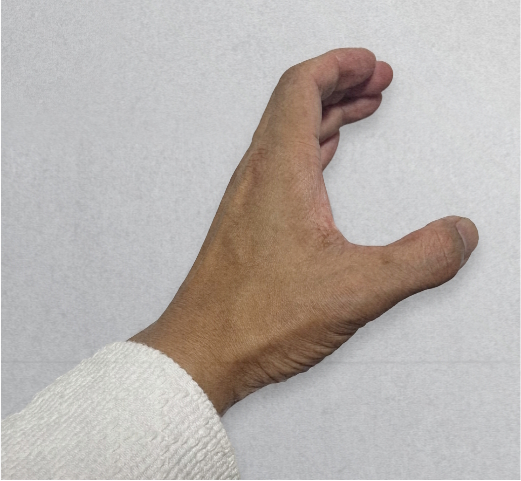
The foundation of modern Hapkido was laid in the aftermath of World War II by its recognized founder, Dojunim Choi Yong-sool. Having spent decades in Japan, Choi returned to Korea carrying the techniques of Daito-ryu Aiki-jujutsu—a sophisticated samurai art focused on using an opponent’s energy against them through joint locks and off-balancing throws. In Korea, he began teaching this “soft” art, originally calling it Yu Sool (Soft Art). This provided the crucial grappling framework that distinguishes Hapkido from other Korean styles.
However, the art did not remain static. As it took root in Korean soil, it began to evolve through the influence of Choi’s early disciples. The most significant evolution occurred in Seoul during the 1950s and 60s, led by pioneers like Ji Han-jae. These masters hybridized the soft grappling base of Yu Sool with indigenous Korean dynamic kicking and hard striking techniques. This synthesis created a complete system that could handle threats at both long range (kicking) and close quarters (grappling).
Joint Locks and Throws
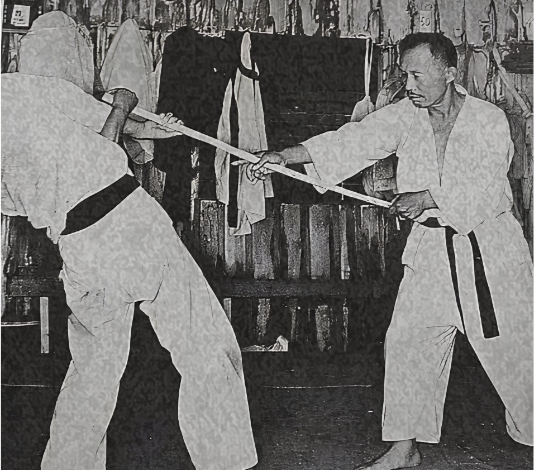
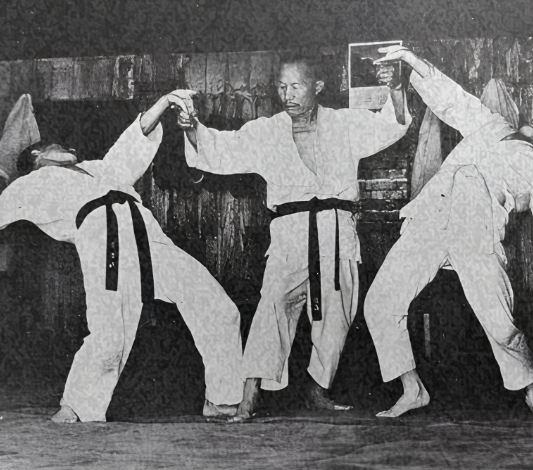
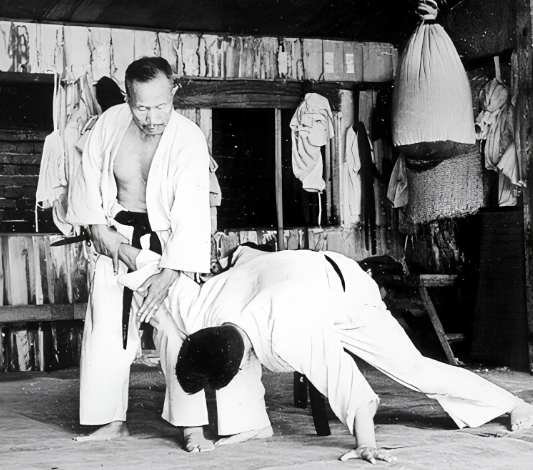
The foundation of modern Hapkido was laid in the aftermath of World War II by its recognized founder, Dojunim Choi Yong-sool. Having spent decades in Japan, Choi returned to Korea carrying the techniques of Daito-ryu Aiki-jujutsu—a sophisticated samurai art focused on using an opponent’s energy against them through joint locks and off-balancing throws. In Korea, he began teaching this “soft” art, originally calling it Yu Sool (Soft Art). This provided the crucial grappling framework that distinguishes Hapkido from other Korean styles.
However, the art did not remain static. As it took root in Korean soil, it began to evolve through the influence of Choi’s early disciples. The most significant evolution occurred in Seoul during the 1950s and 60s, led by pioneers like Ji Han-jae. These masters hybridized the soft grappling base of Yu Sool with indigenous Korean dynamic kicking and hard striking techniques. This synthesis created a complete system that could handle threats at both long range (kicking) and close quarters (grappling).